


Is Fear Greed Index Extreme Fear a Buying Point? The answer may be the opposite
Many people take “extreme fear = buy” as a shortcut, but in the crypto market, sentiment is just a reminder. This article will take you through the intersectional meaning of the Fear Greed Index 0—100, the fluctuation/trading volume/community and search data it may refer to, and why downtrends and panic messages amplify error signals. The final three steps (Trend and Support → Historical Segmentation → Batching and Wind Control) return the decision to the verifiable process.
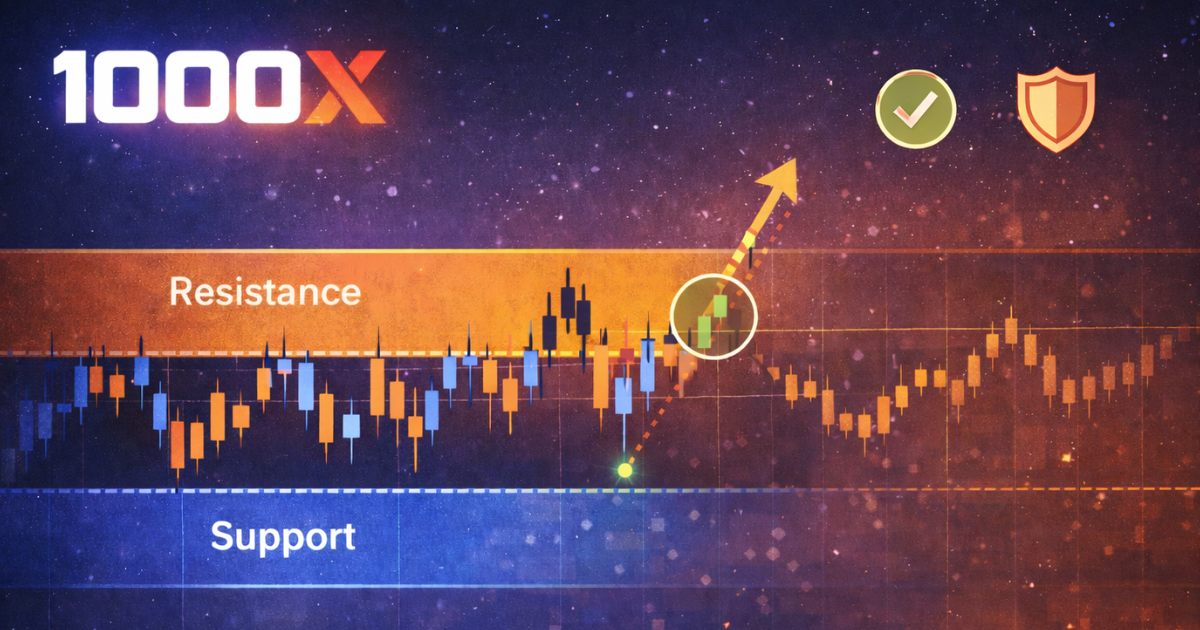
A Complete Guide to SNR Support and Resistance Strategies: Pivot Points, Breakthrough Confirmation and Entry Techniques for Intraday Trading
This article is an intraday trading guide for SNR support and resistance: teaches you to understand pivot points, breakthroughs, and post-test confirmations, and quickly master classic, interchangeable, head-on, and continuous SNRs. In addition, multiple time frames are used to indicate entry and exit steps: find key areas and target locations in high cycles, confirm re-entry using structures such as low cycles, and create more stable execution rules using stop loss and loss ratios.

Are losses always swept away before they are reversed? SMC smart money (ICT) teaches you to understand the entry and exit logic of liquidity, OB, and FVG
The SMC (Smart Money Concept) trading strategy is already losing money abroad, but Asians know very little about technical analysis methods. This trading method doesn't look at any indicators; you only need to observe the K-bar trend to obtain results with high win rates and high payout rates. This article explains SMC's core concepts one by one, including key terms such as liquidity, order blocks, and FVG.
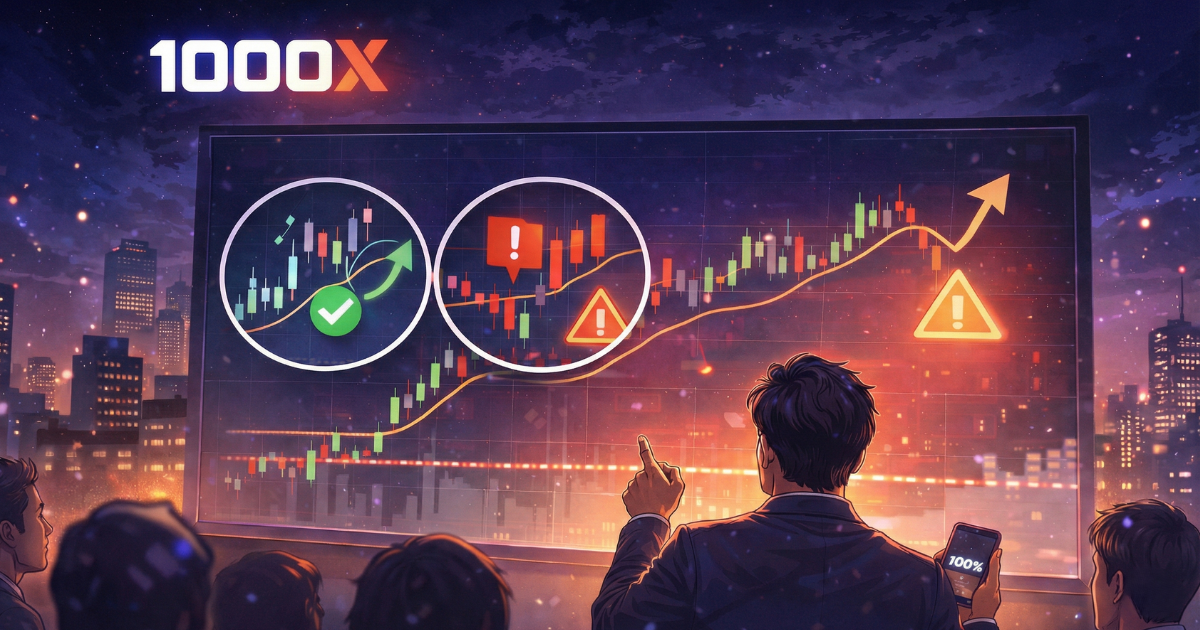
Patience of a Pro Trader: Key Levels, Danger Signals, and the Math Behind Consistency
Top traders don't trade every day. They wait for confirmation at key levels, exit fast when wrong, never average down, and let trends do the heavy lifting. In the long run, expectancy beats fantasy compounding.

10 Futures Trading Principles: Trend, Discipline, Stops, and Risk Management
You don't need a magic indicator. You need a system: follow trend, let profits run, cut losses without hesitation, avoid full margin, and put risk above profits—always.

Probability Thinking & Risk Acceptance: The Mindset Behind Consistent Trading
The market is uncertain by nature. Pros stay consistent by accepting risk, taking responsibility, thinking in probabilities, and executing a repeatable edge—without fear or impulsiveness.